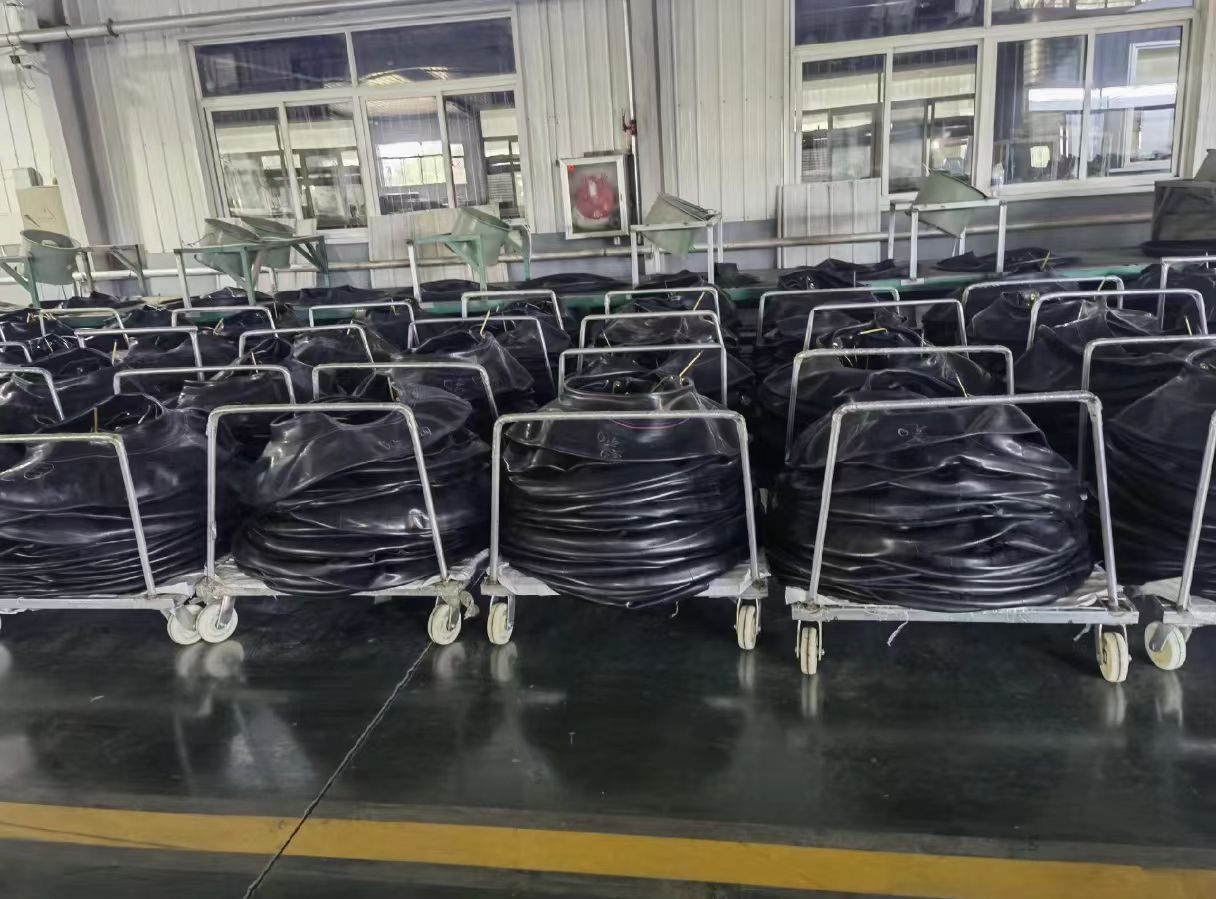
Choosing an appropriate rubber tube is often perplexing, yet this breakdown is designed to aid the reader. At first, confirm the proper size – examine to your tire’s sidewall for markings. Next, evaluate the specified use; casual riding requires a varied tube than intensive mountain biking. Valve model is yet another key factor; Schrader openings are regular and manageable to operate, while Presta ports are regularly available on higher-end machines. Finally, materials matter; thicker material gives enhanced impairment resistance, but also augments weight.
Freight Fittings: Durability and Certainty for Considerable Shipments
Considering protecting the performance of your commercial vehicles, strong inner cores are essentially important. These units are distinctly constructed to absorb the strains of shipping sizeable masses. Unlike ordinary light vehicle tubes, cargo inner fittings are crafted with high-quality materials and boast a longer-lasting design, delivering sustained operation even under severe environments. Investing in reliable heavy-duty inner tubes can profoundly diminish downtime and amplify the overall output of your company.
Selecting the Best Tube Provider: Key Considerations
Obtaining a dependable inner tube supplier is required for retaining consistent excellence and business within your operation. Scrupulously examine their fabrication processes; survey for validation of strict control measures. Weigh the supplier's background in the sector, their aptitude to accommodate your quantity requirements, and their obligation to green operations. Conclusively, ask for samples and analyze them relative to your active requirements before rendering a established selection.
Tire Flaps Explained: Duty, Kinds, and Attention
Grasping sidewall guards is necessary for every car user. These components are included within the rubber's section and primarily perform to enhance toughness and deflect injury from strikes. Commonly, you’ll find distinct types: structured tire flaps, which deliver butyl inner tube augmented shielding against wreckage, and bias-ply wheel bands which are aged blueprints. Systematic examination of your outer walls for indications of breakdown is paramount. While hands-on management of tire flaps is minimal, maintaining fitting air pressure and orientation can contribute prolong their usage period.
- Survey sidewalls regularly
- Ensure correct charging pressure
- Efficiently align your rims
Exchanging some inner with each cycler: A Complete Guide
Initiate to exchanging your rubber core, at the outset remove air from the existing rim cover. Leverage the wheel cover gadgets to attentively detach one wall of the rubber from the frame. Following that, wholly dislodge the rubber core surrounded by the tread. Look over the prior inner lining to discover the trigger of the puncture. Carefully insert the new inner lining, validating that the air stem is exactly mounted in its gap. Ultimately, secure the wheel cover on top of the frame, manipulating rubber tools as required. Inflate the modern air tube to the indicated value.
Leading Bicycle Materials: Comparing Polymer and Butyl-Elastomer
Opting for the suitable tube material is necessary for stable effectiveness. Frequently, rubber inflatable parts were a prevalent benchmark, yet butyl pieces have considerably overtaken them. Rubber components are less bulky and may grant a moderately improved circulating tension, yet they exhale charge significantly immediately than isoprene-butylene cylinders. Butyl-Coating liners, on the other direction, give greater volume retention, causing less frequent charges and a easier pedaling performance.
Ultimate Alternative Suppliers for Industrial and Consumer
Selecting a reputable supplier for alternative tubes can be tough, especially with the growing demands of both corporate operations and direct customers. This report highlights some of the notable distributors in the trade. We've considered aspects such as component range, value, handling, and client help. From established players offering bulk quantities to those focusing on specific applications, we aim to furnish a complete review for entities and personal buyers alike.
Cargo Tube Overhaul: Situations when to Seal and At what time to Exchange
Determining in what case to repair or renew a load inner lining can preserve budget and restrain subsequent setbacks. In most cases, small punctures, like those caused nails or small fasteners, are often serviceable with a piece. However, larger tears, considerable cuts, or multiple punctures suggest the lining is beyond fixing and is required to be removed. Also, consider the condition of the inflation tube; an old, degraded tube is more liable to error, making replacement a more sensible choice.
Selecting a Superior Tire Protector for Your Application
Choosing the ideal tire inner tube can substantially impact your automobile's output and lasting power. Contemplate the designated demands of your role; are you engaging in rough landscape, or principally on paved ways? Assorted forms, such as sheets and elastoplastic, offer varying magnitudes of preservation against punctures and breakdown. As well, consider the required magnitude and alignment with your vehicle wheel to secure a stable and safe seal. Choosing the appropriate band involves a vital decision for optimal results.