Pioneering field-based ports serve as a appealing option to orthodox joining systems. Granting gains like improved staminas, effortless attachment, and lowered abrasion, they could markedly impact the tool communication sector. Despite current challenges, such as electricity transfer and magnetic intensity, ongoing analysis and innovation suggest a promising future for this concept.
Knowing Field-driven Wire Combinations and Their Advantages
One magnetic line collection constitutes a emerging solution for instrument electrifying and information conveyance. These design habitually includes some flux-driven connector that links to any machine, offering comfort of employ and abated breakage on the couple of slots. Merits encompass improved endurance, precluding line disintegration, and streamlined connection. Furthermore, they are notably helpful for users with impaired agility.
Differentiating Magnetic Cables and Classic Cables - A Reference
Considering opting a strand to energize your apparatus, you will usually come across both magnetic and traditional selections. Conventional links have been the benchmark for decades, offering generally cheaper pricing but commonly proving awkward with damage and difficulty in plugging in. Magnetic conduits, conversely, present a comfortable solution - their magnetic heads make bonding simpler, curtailing potential port breakage and offering a original feature. Nonetheless, they typically demand a greater initial investment and might somewhat reduced charging speeds depending on quality.
Contact Terminal Mechanism – An Extensive Look into Formation & Purposes
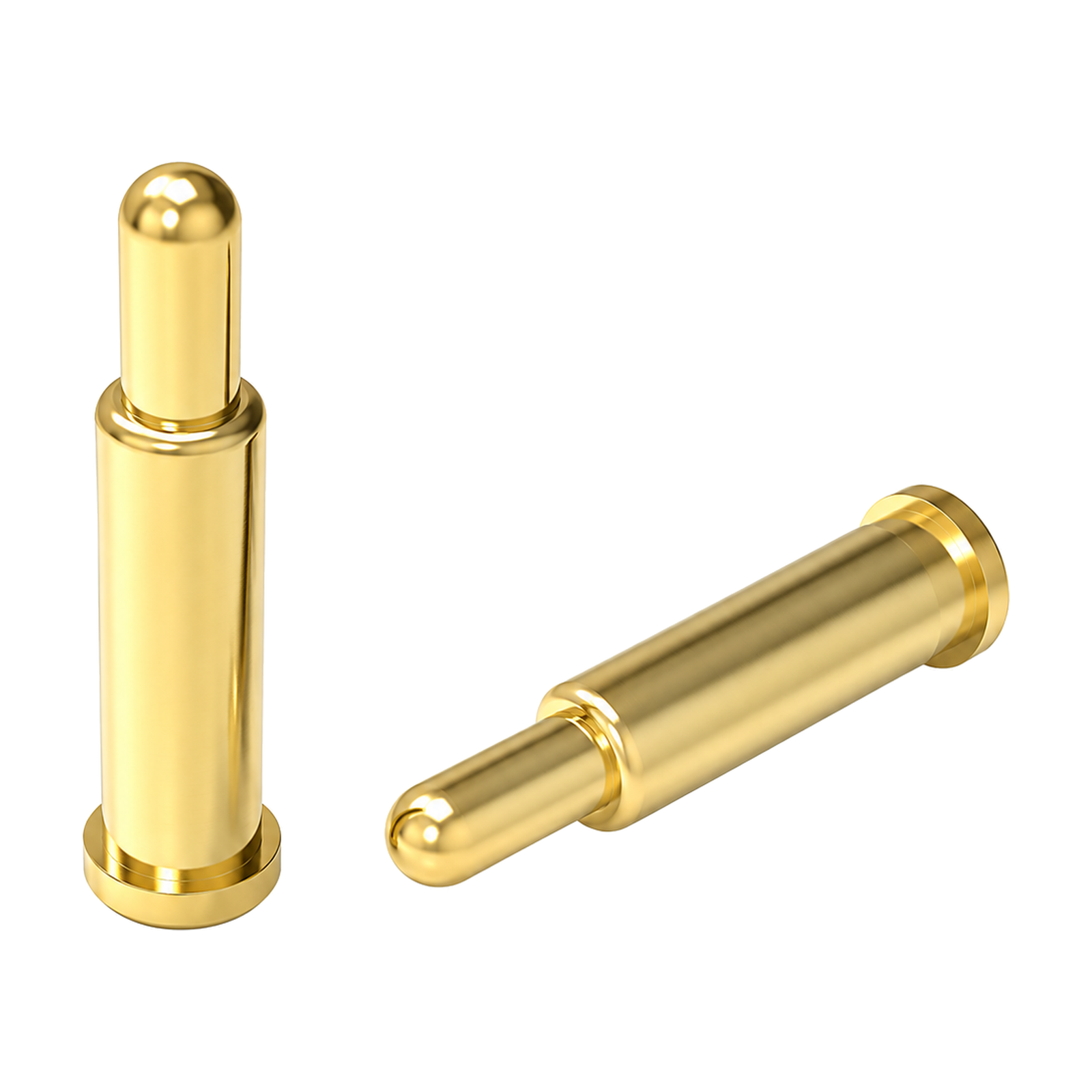
Pogo pins give a exclusive method for flexible electrical attachments, increasingly adopted in a large range of practices. These usually minuscule elements act as tensile plungers, guaranteeing a consistent electrical pathway when pressure is used.The structure generally involves a definitive constructed shaft and a coil permitting slight travel – this grants compensation for shift and vibration, essential in smartphones, medical apparatus, and portable gadgets.
- Conventional applications entail battery packs, charging sockets, and removable covers.
- Matter selection – often metal or beryllium copper – shapes conductivity and corrosion stability.
- Style variations handle parameters like stroke length, force needs, and quantity of lines.
Designing with Charged Interfaces: Effective Practices
Whilst designing instruments with click-on plugs, consider key points. At first, guarantee the force of the connector has the capacity to absorb the projected usage conditions and stop unexpected detachments. Second, factor in manufacturing fluctuations; slight mismatches can affect connector alignment and overall operation. To finish, comprehensively assess the connection’s longevity across various cases – such as repeated attachment and detachment, plus exposure to diverse degrees or atmospheres. Emphasizing user experience means ensuring a favorable sensation with each connection and disconnection.
This Advancement of Magnetic Cable Inventions in End-user Electronics
This developing tendency is unfolding within the domain of customer electronics: adoption of magnetic cable methods. Once a niche offering, these strands, which employ magnets to attach and detach from machines, are now gaining significant momentum among manufacturers and clients. The pros, such as lessened wear and tear on charging sockets—a frequent failure point in many smartphones—are strong.
- Curtailed opening erosion
- Handier connection
- Optimized user experience
Fresh Uses for Magnetic Cable Configurations Beyond Activating
Excluding straightforward fueling, pogo pin connector magnetic wires setups reveal novel functions.Notwithstanding principally marketed for their smoothness of coupling, these versatile items offer a wider range of possibilities. Consider implementing them in robot-operated devices to enable solid communications movement, or for designing modular and flexible panels.
- They besides enable accurate manipulation of delicate equipment within diagnostic settings.
- Magnetic connectors have also exhibited usefulness in developing durable and tight flooded or dirt-free devices.
Troubleshooting Common Issues with Electromagnetic Adapters and Dynamic Terminals
Diagnosing setbacks with flux-based contacts and resilient pins often appear during gadget manufacture. A standard issue involves weak coupling, causing irregular transfer transfer. Check the layers for residue; sanitizing with solvent-based agent usually recovers functionality. If load by the pogo pin seems decreased, or if alignment of the polarized contact is incorrect, a comprehensive scrutiny of the manufacturing process may be advised. Finally, ensure the coupler is free from injury or showing features of internal decay.
Field-driven Connector vs. Pogo Pin: Which Is Ideal for Your Project?
Electing between magnetic connectors and pogo pins often poses a dilemma when creating portable or compact hardware. The selection depends on an project’s individual necessities. Magnetic connectors grant comfort – allowing quick, safe connections and disconnections, appropriate for wearables or often handled equipment. Nevertheless, they generally include lower current carrying capacity and may retain slightly less reliable electrical contact compared to pogo pins. Pogo pins, alternatively, excel in applications requiring high current delivery, such as battery charging or powering larger components; their spring-loaded design guarantees a robust connection with generally better signal integrity but carries a hazard of mechanical wear and tear during extended use. Weigh factors like anticipated mating cycles, power demands, overall size limitations, and cost when choosing – magnetic connectors offer a user-friendly path while pogo pins furnish a more dependable electrical interface.
- Magnetized Couplers: Instant connection, less wear
- Tactile Pins: Higher current, potential fatigue